
Genesis never names the forbidden fruit but records exactly what it did
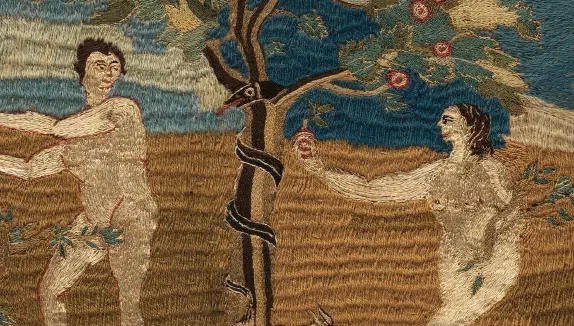
The apple comes from a Latin pun. The text records the effect: shame, fear, blame, a transferred dominion, and the war declaration of Genesis 3:15.
All Bible study articles in reverse chronological order. Hebrew, Greek, and mathematical analysis of Scripture.
The apple comes from a Latin pun. The text records the effect: shame, fear, blame, a transferred dominion, and the war declaration of Genesis 3:15.
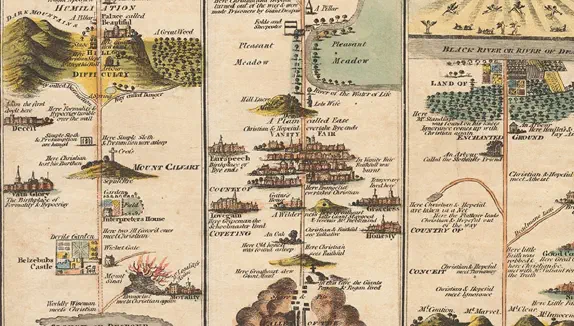
Who dwells in each realm, why Jesus gathered three, twelve and seventy, and what the enemy's own books say about his copy of God's government.
The Old Testament tithe was three tithes: for the Levites, for the feasts, and every third year for the poor. The New Testament commands no percentage.

Ten claimed illegalities in the trial of Jesus, checked against Mishnah Sanhedrin and the Talmud. Six hold, and one alone makes the trial illegal.
Six witnesses preserve the prayer, from the King James text to the Didache and a Hebrew Matthew from medieval Spain. Their differences stand side by side.
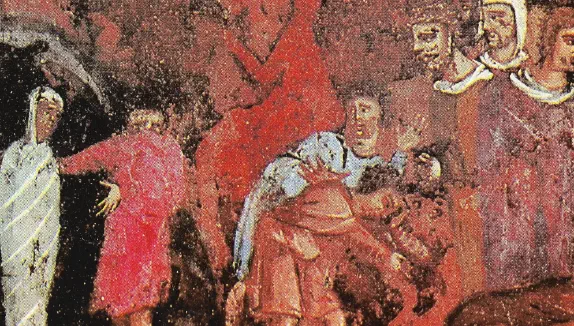
Eight named individuals are raised besides Jesus: three by the prophets, three by Jesus, two through the apostles. All of them died again.

Cover his feet, the apple of the eye, an evil eye, coals of fire on his head. The KJV often keeps the Hebrew idiom literal and leaves the meaning behind.
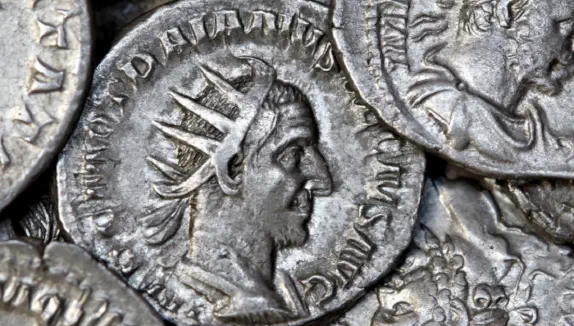
The KJV says mite, farthing, and penny. One table maps every New Testament coin across Greek, KJV, modern English, and German, valued in days of labor.
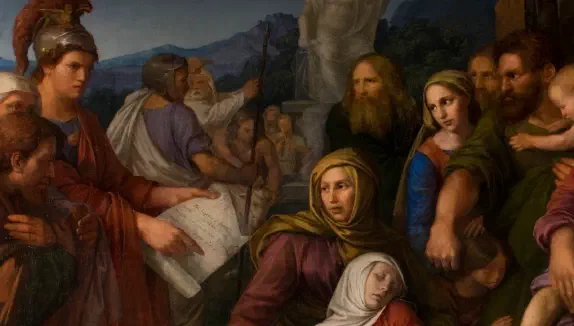
Malachi ends with no synagogues, no Pharisees, no Rome. Matthew opens with all of them. The years between built every institution the gospels assume.

LORD in small capitals is YHWH, Lord is Adonai, GOD marks the combination. The typography of the English Bible encodes the Hebrew names.
